

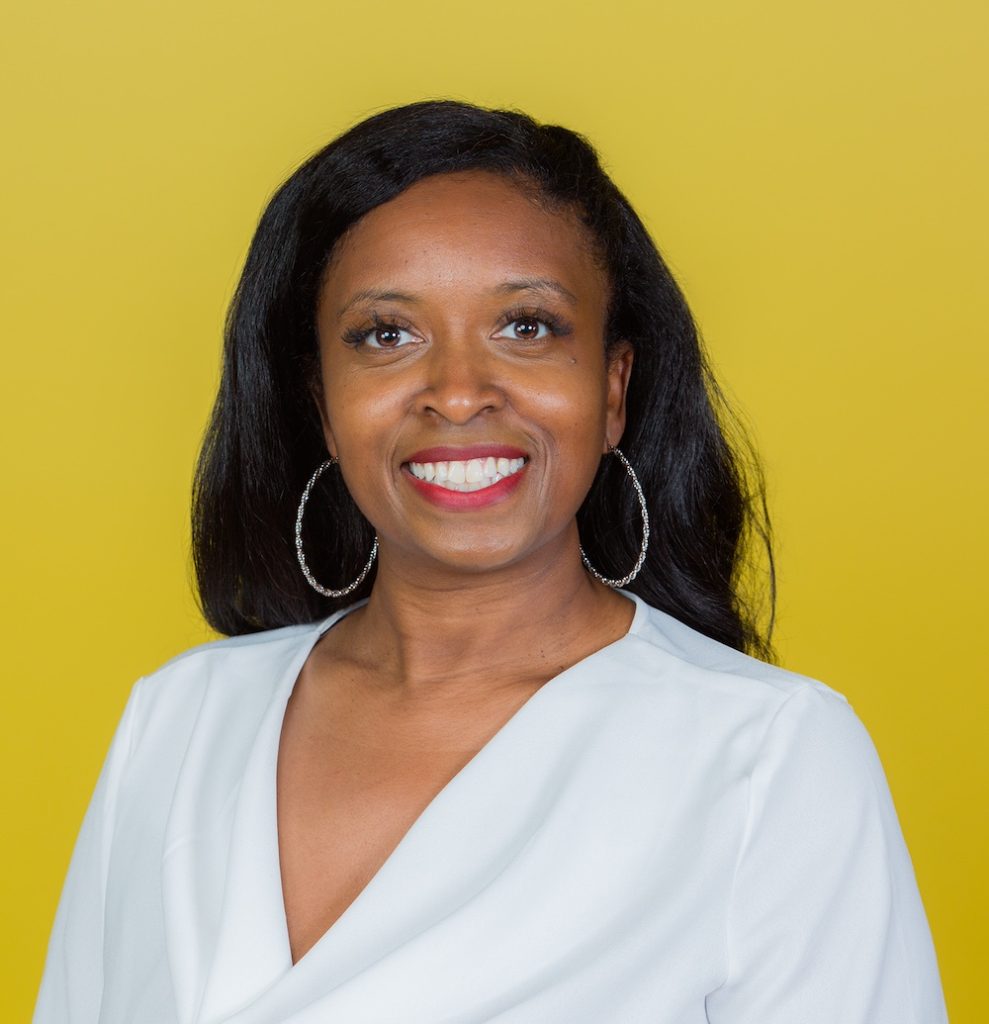
Dana Henry, Director of Black
Justice & Healing
Although she was born forty years after abolition, my great grandmother on my mother’s side never lived freely on the lands that her mother, grandmother, and great grandmother built from the ground up. Born to a slave holder, Robert Cheek Jr., and an enslaved woman, my great grandmother, Linnie Cheek, eventually migrated to Vallejo, California, escaping false accusations mired in racism. But life in California was not easy. During the Great Depression, she had to separate from her husband so she could get the government assistance she needed to be able to eat. In essence, to survive, the government forced my great grandmother to break up her family – a sad pattern caused by misguided policies forced on countless families for generations since.
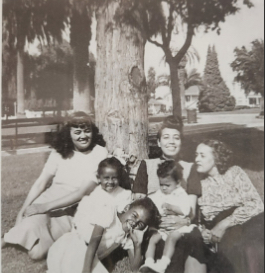
(My maternal great grandmother Linnie Reid, my great aunt Kate McClanahan, my mother Linnie Campbell-Henry, my aunt Rita Campbell-Boston and my cousin Linda McClanahan – Greene)
Generations later, despite my parent’s efforts to build a better life by moving to the suburbs of Los Angeles, I also experienced racism, including from the educators who were meant to support me. I still remember the words that my high school counselor told me when he discouraged me from applying to four-year universities. “Dana, you are not college material, go to community college and get a job,” he said.
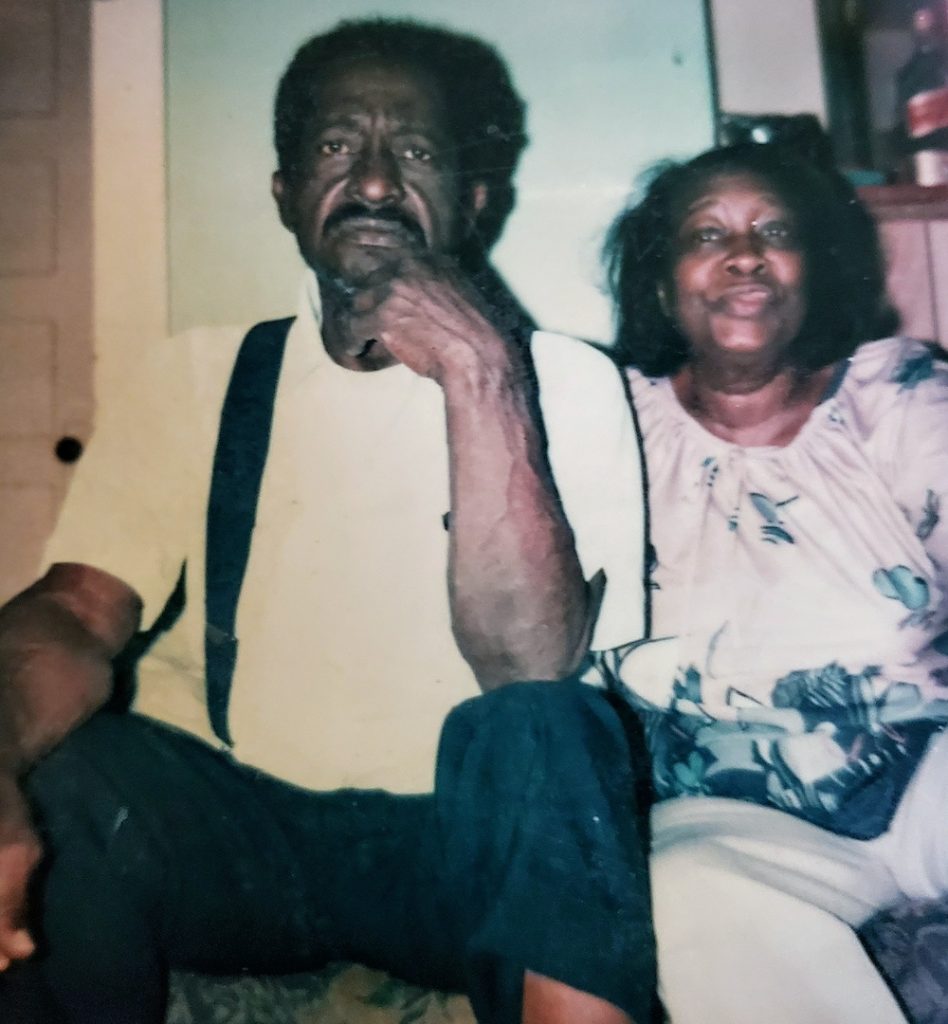
(My paternal grandfather and grandmother Wilton Henry Sr and Virgina Henry)
Fortunately, my parents advocated for me and pushed me to reject this counselor’s prognosis. They reminded me to believe in myself and to believe in all who came before me. With their support, I was able to attend U.C.L.A.
While I was a student, my mother and I visited the Mississippi plantation where my great grandmother Linnie once lived. When we visited the grounds where our ancestors lay in unmarked graves, the grief we felt was palpable. The experience was both transcendent and rattling. I remember my mother’s embrace as we sobbed at True Light Baptist church during our visit.
Carrying these experiences on my shoulders moved me to dedicate my career to eradicating the systems that perpetuate racism. I worked on education equity addressing the needs of youth plagued by poverty, homelessness, displacement, and whose family faced underemployment. I provided educational workshops, sometimes out of converted units, in housing projects in South Los Angeles such as New Wilmington Arms, Nickerson Gardens, and Mar Vista Gardens.
Like the experience that I faced when applying to college, many of the young people I worked with felt limited by the racist beliefs others held about them. I could relate to how they felt let down by the public school system. The families I worked with embraced me. My time with them cemented my dedication to supporting nonprofits committed to dismantling racist systems.
Now, as a grantmaker, I’ve witnessed the continued struggles of Black folks in the nonprofit sector. I often see a lack of support, empathy, and understanding of the Black community evident in the experiences and struggles of those working to change the system. Anti-Black racism and white supremacy in the U.S. is expansive and insidious in how it informs institutions, policies, and daily lives. It is replicated in many systems, including in philanthropy.
As an institution, the Weingart Foundation strives to break down the power imbalance typically seen between nonprofits and funders. Our efforts have made it possible for me to work closely and in partnership with our nonprofit colleagues who inform our work.
One of the most transformational experiences I have had has been working with the Black, Latino, and Indigenous elders of the Palm Springs Section 14 survivors, who are seeking reparations after the City of Palm Springs organized the destruction of their homes in the 1960s. When I work with this community, it makes me think about my ancestors and how they were excommunicated from the land they nurtured and developed. I think about my visit to the plantation.
As Director of Black Justice and Healing at the Weingart Foundation, I carry these personal experiences with me as I work in partnership with our nonprofit, philanthropic, and civic leaders to dismantle the legacy of anti-Black racism and build new, bold, and just systems that benefit every person, not just a few.
This work feels especially urgent today as efforts to address systemic racism are under widespread attack. From book bans to the Supreme Court dismantling affirmative action in college admissions, we face many challenges in our efforts to advance racial justice.
Four years after the murder of George Floyd, the Black nonprofit organizations we support are reporting a “backslide” in promises by funders. Foundations are shifting priorities and corporations are doing away with diversity and inclusion programs. It can feel as if speaking up for Black people is controversial, isolating, or career suicide. I have felt the unimaginable pain of racial stress. I have workdays that leave me depleted. I also feel supported by Weingart’s commitment to operationalizing racial justice in its approach to philanthropy and inspired by the nonprofit partners that join us in advancing Black liberation and joy. The beauty and grace cultivated in my family fills me up and provides me with the necessary strength and resolve to keep pushing on.